
Dec 04, 2025 | 588 words | 6 min read
14.1.1. Materials#
Information Literacy#
This video gives an overview of the basic concepts related to information literacy. It provides a good starting point to learn about these concepts. The remainder of this page has useful links resources for you to use as you conduct research for future projects.
Four Facets of Information Literacy#
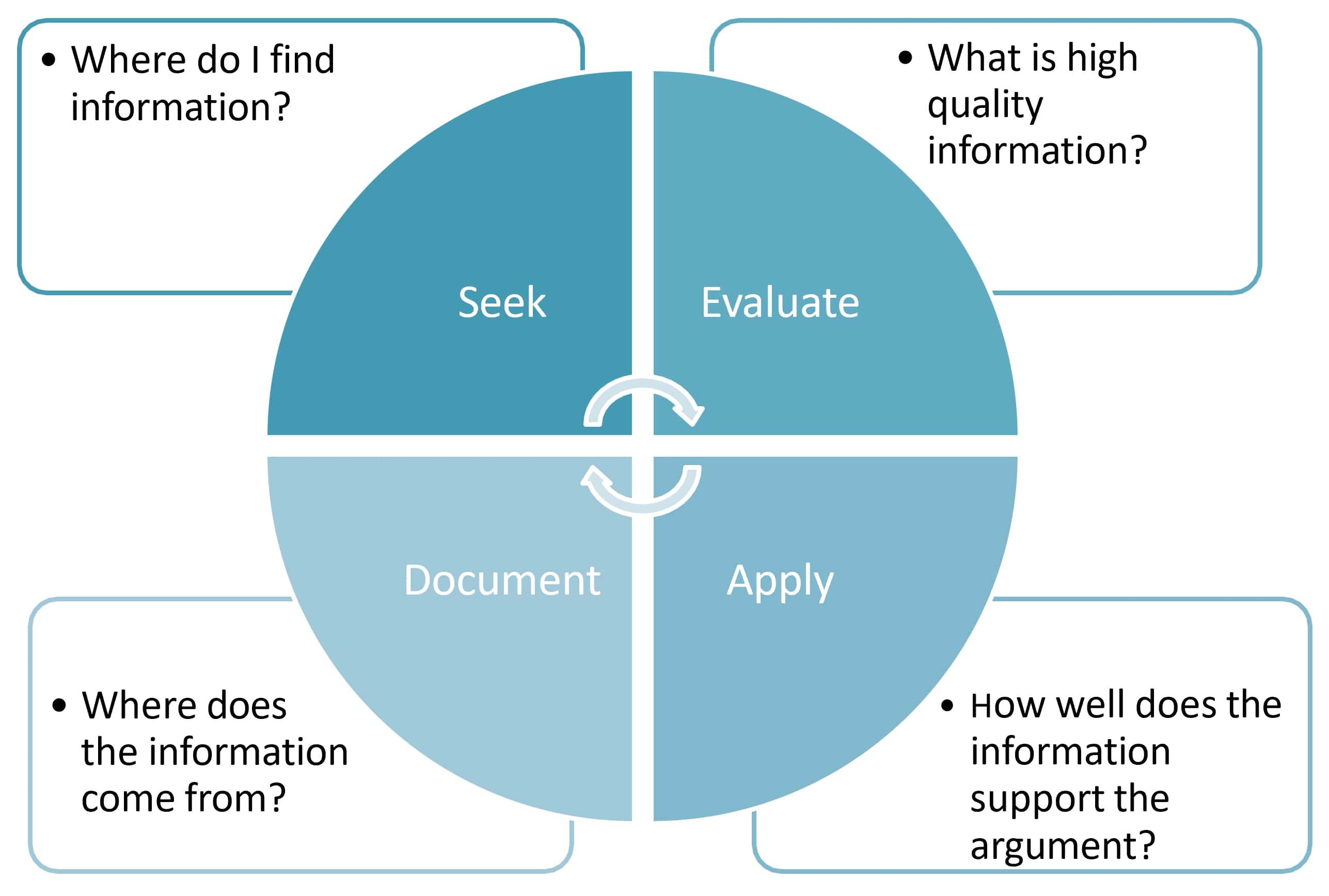
Fig. 14.1 Modified from: Purzer, S., & Wertz, R. (2014). Scaffold and access: Preparing students to be informed designers. In M Fosmire & D. Radcliffe (Eds.), Integrating Information into the Engineering Design Process. West Lafayette, IN: Purdue University Press.#
Type of Sources#
There are many places to find reliable sources of information for your topic. The table below outlines some common resources and how we can categorize them.
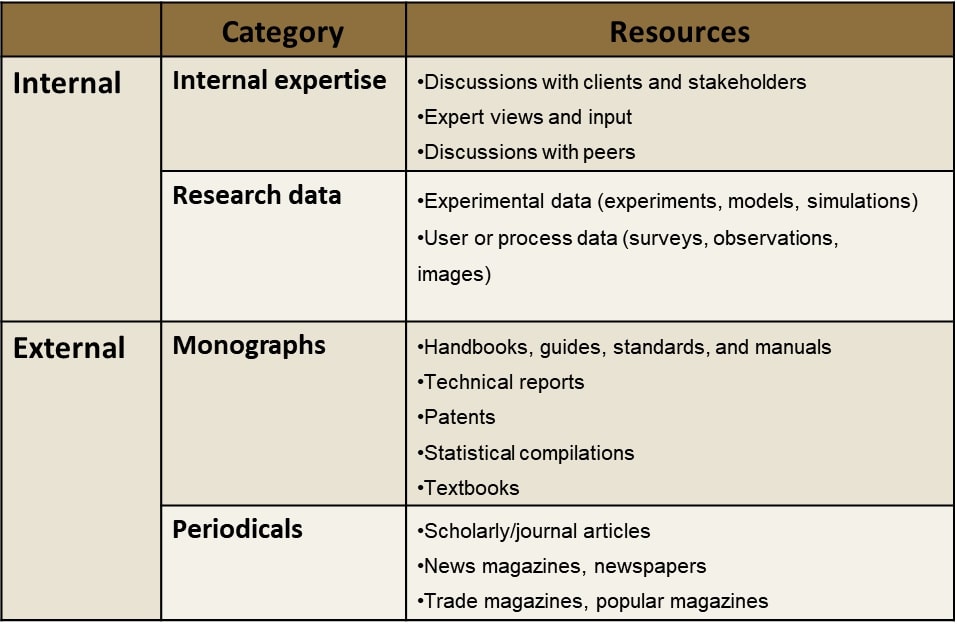
Fig. 14.2 Table categorizing resources based on the source of the information (internal to the organization or external to the organization). These are just a few examples of resources, but should give you an idea of how to categorize your own sources in the future.#
Purdue Library#
The Purdue Library website can be accessed here: https://lib.purdue.edu/
Google Scholar#
Google Scholar can be accessed here: https://scholar.google.com/
Evaluating Web Information — CRAAP Test#
For sources you find on the internet, the CRAAP test can help you evaluate the quality of the information in the source. The CRAAP test was developed by librarians at California State University in 2004. CRAAP stands for Currency, Relevance, Authority, Accuracy, and Purpose. Here are some questions you can ask yourself as you evaluate each of these criteria:
Currency (Timeliness)
How important is it for your topic to have recent information?
When was the web page originally published, last updated, or revised?
Are all the links on the page functional?
Can you determine if there is information that has been added to the page?
Relevance
How relevant to your topic is the information?
Who is the intended audience for this information?
Can you find the same information or better information from another source?
Are you comfortable citing this source?
Authority
Who is the author / publisher / source / sponser?
What else has the author published about the topic?
Do they have any credentials to establish them as an expert in the topic?
If the website is for an organization, is it an organization that has a history working in this topic?
Accuracy
Where did the information come from? Has it been reviewed?
Are there any sources cited for the information?
Can you verify any of the information in other independent sources or from your own knowledge?
Are there spelling, grammar or typographical errors?
Purpose
What is the purpose of the information? Why was the website created?
Is the information presented as a fact or opinion?
Is it stating a point of view, promoting and idea, service or product?
Evaluating All Sources#
Regardless of the type or location of your source, it is important to evaluate the information you find to determine if you want to use that information for your project or research. Keep in mind the following questions as you review sources you find:
Accuracy
Can the information be verified in another source?
Are statements supported by evidence and/or citations?
Is the work edited by someone other than the author?
Authority
Who is the author? What are his or her qualifications?
With what institutions or organizations is the author affiliated?
Currency
When was the material published?
Is the date of publication appropriate?
Objectivity
Is the author trying to sway your opinion or advocate a particular position?
Is the material presented based upon research or the author’s opinion?
Purdue OWL#
The Purdue OWL website can be accessed here: https://owl.purdue.edu/